Papua New Guinea demonstrates how sport can drive change beyond the field of play
Sport can be a powerful platform for social change, and few organisations are demonstrating that more clearly than the Papua New Guinea Commonwealth Games Association.
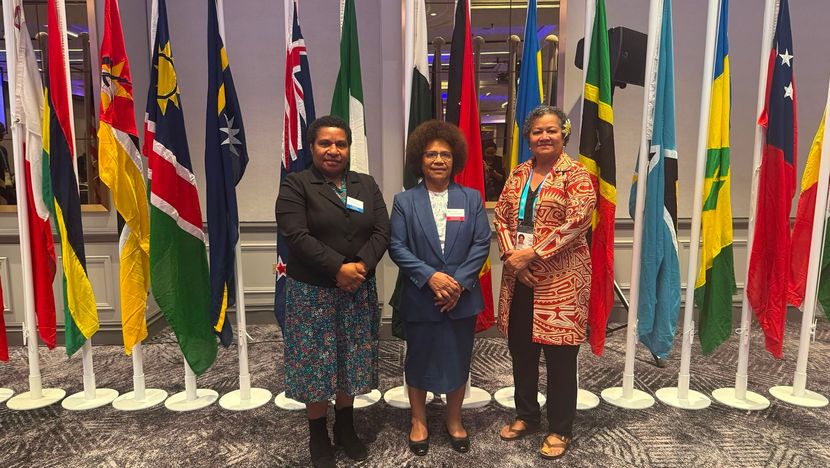
Speaking at the Commonwealth Sport Ministers Meeting during Glasgow 2026, PNG CGA President Emma Waiwai highlighted how sport is being used to address the nation's most significant social challenges, particularly around promoting gender equality and inclusion through sport.
In an environment where almost 70% of women face intimate partner violence, Waiwai described how community sport acted as one of the country's most effective tools for prevention, inclusion and empowerment, telling delegates:
"Sport cannot exist in isolation. In PNG, community sport has become one of the most trusted platforms for prevention, inclusion, leadership and empowerment."
Through programmes delivered in partnership with the Australian Government’s Team Up initiative, community sport sessions are designed to provide safe spaces for girls, supported by clear codes of conduct, inclusive coaching environments and opportunities for children with disabilities to participate alongside their peers.
The Association has also embedded safeguarding at the heart of its operations through a formal Safeguarding Policy and a zero-tolerance approach to harassment and abuse. Safeguarding messages around healthy relationships, consent and reporting concerns are built directly into programme delivery, ensuring coaches and administrators are equipped to identify and respond to concerns.
Sport participation programmes are also being intentionally used to challenge harmful social norms and facilitate discussions around respect, consent and positive masculinity, or using Team PNG athlete ambassadors to brings messages of respect, excellence and openness directly into schools and communities.
Waiwai also highlighted the Association's long-standing commitment to gender equity through a dedicated Gender Equity Committee and policies that embed equality into recruitment, selection and leadership pathways. More than half of Team PNG's gold medals across the last three Commonwealth Games cycles have been won by women.
Closing her remarks, Waiwai urged Commonwealth nations to invest in sport as a vehicle for social progress, stating: "When we invest in safe, inclusive and equitable sport, we invest in stronger families, healthier communities and more peaceful societies."
Her message to ministers was clear: sport can play a meaningful role in addressing some of society's biggest challenges when it is supported by strong governance, community partnerships and a commitment to inclusion. As Commonwealth nations look to harness the wider impact of sport, Papua New Guinea offers a compelling example of how sport can be intentionally used to build safer, more equitable and more resilient communities.