

The King’s Baton Relay opened in Dunedin, where a community fun run at Chingford Park set the tone for a week that would carry Te Kaunoti through Aotearoa New Zealand, connecting people, place and purpose in the build-up to the Commonwealth Games Glasgow 2026.
The Relay began in Dunedin, woven into the city’s sporting life through a fun run at Chingford Park. New Zealand’s Baton Bearer, Dame Sophie Pascoe, was joined by Chef de Mission Nigel Avery and local athletes as young runners took part before receiving their medals at the finish. Later, at Dunedin Railway Station, Te Kaunoti, the name given to New Zealand’s King’s Baton, was formally presented in a ceremony bringing together athletes, Māori tribes, community groups, schools and members of the Olympic and Commonwealth sport family.
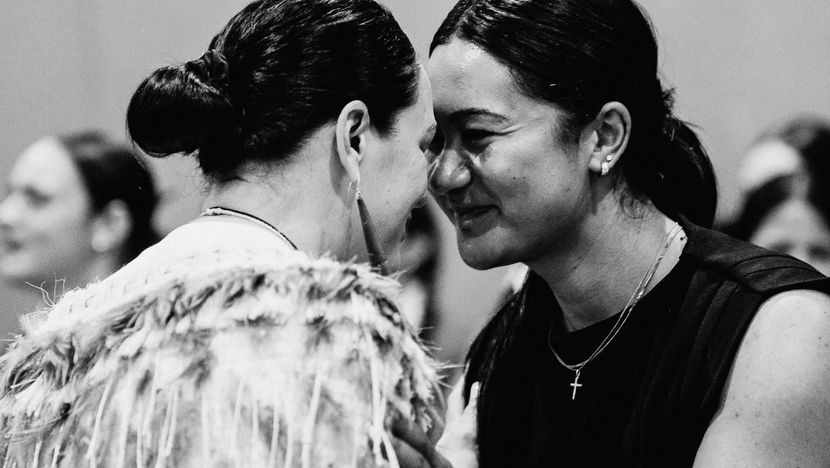
The Baton then moved north to Huntly, where Te Wharekura o Rakaumangamanga hosted a Give It A Go Day centred on learning, movement and culture. A pōwhiri, a traditional Māori welcome ceremony, opened proceedings before Commonwealth Games gold medallist Richie Patterson shared his journey with students, speaking about resilience and the demands of high-performance sport.
The day unfolded through relay races and traditional Māori games including tī rākau and poi toa, creating a shared space where athletes and young people connected through participation. The visit also linked with Tūrangawaewae Marae, reinforcing the connection between community, culture and the Commonwealth.
Environmental action formed a central part of New Zealand’s programme through the Royal Commonwealth Society’s Commonwealth Clean Oceans Plastics Campaign. At Anchor Bay on the Tāwharanui Peninsula, a protected marine reserve, 160 volunteers including local students, athletes and community members came together for a large-scale beach and coastline clean-up alongside Sustainable Coastlines. More than 1,000 pieces of rubbish were collected, contributing to the wider ambition of preventing one million pieces of plastic from entering Commonwealth waters.
As the Baton travelled between locations with support from Toyota New Zealand, it carried the stories of each community it reached, building momentum across the country.
At the centre of that story is Te Kaunoti. Carved from ash wood using three sections of the tree, each with distinct grain patterns, the Baton reflects both material craft and layered storytelling. Created by renowned Māori artist Tā Derek Lardelli, its surface is shaped through traditional techniques, with patterns cut and embossed into the wood and finished using natural pigments made from soot and red ochre.
The design carries three core narratives, expressed through symbolism rather than literal imagery. The hammerhead shark draws on the pursuit of excellence and the mindset required to reach the highest level. Kurangat reflects the sacrifice and relentless drive of athletes who dedicate their lives to sport. Mahi, meaning collective effort, speaks to the shared responsibility of a nation in supporting its athletes.
Inspired by Te Kaunoti, the traditional Māori fire stick, the Baton represents the fire of home. Drawn from the story of Māui, it symbolises connection, a tool used to create fire and sustain life, reimagined as something that carries identity, support and strength across the world.
As New Zealand’s leg of the King’s Baton Relay draws to a close, Te Kaunoti remains a lasting symbol, carrying the fire of home and the stories of its people as the Relay continues towards Glasgow in 2026.
